The Four Pillars of European Veterinary Medicine 2026: General Report from All FVE Sections
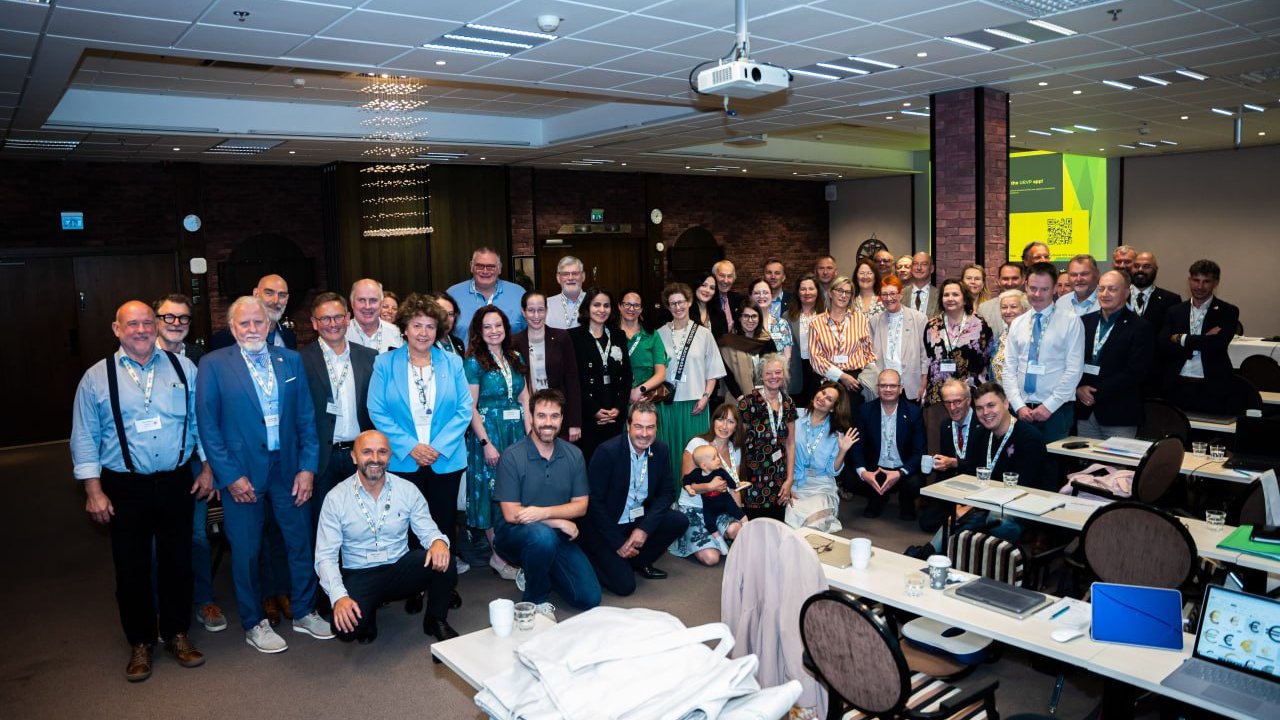
The final day of the Federation of Veterinarians of Europe (FVE) General Assembly in Rovaniemi, Finland, marked the culmination of the international gathering. Leaders from all four key FVE sections—which define the rules of practice, business standards, food safety, and veterinary education across the continent—delivered comprehensive reports to the delegates.
We present a full analysis of these strategic reports, illustrating the direction in which the global veterinary community is heading.
FVE Section Reports: A Strategy for Each Sector
1. EASVO Section (State Veterinary Officers)
Speaker: M. McCarthy
The section officially approved and endorsed a key document on biosecurity. The panel focused primarily on finalizing joint recommendations for public authorities and clearly defining association membership rules and criteria to improve coordination at the national level.
2. EVERI Section (Education, Research, and Industry)
Speaker: M. Radakovic
The section, which brings together veterinary professionals from the fields of science and the pharmaceutical industry, reviewed the year's results and engaged in strategic planning for the next five years. Key focus: full integration with the FVE and enhanced collaboration.
Key Achievements and Insights:
- International Student Internship: The launch of a unique one-week internship program, scheduled for December 2026 at Ceva’s global headquarters in France, was officially announced. Veterinary graduates will undergo comprehensive training covering the entire process—from molecule development and clinical trials to marketing and pharmacovigilance.
- Artificial Intelligence in Science: Ceva’s CEO delivered a presentation on the use of AI. The key takeaway: AI is not intended to replace the practitioner but rather to foster critical thinking and facilitate accurate data assessment.
- The power of international solidarity: The speaker cited a notable example where the University of Cambridge’s veterinary school faced the threat of closure. Thanks to coordinated international support from the FVE and its sections, along with an official letter from Animal Health Europe to senior leadership, the school’s status was successfully safeguarded. This demonstrates the significant societal impact of veterinary medicine on public health.
3. UEVH Section (Veterinary Hygienists and Food Safety)
The section’s work focused on veterinary public health (VPH) and emerging challenges in the field of food control.
Key focus areas and urgent tasks:
- Meat inspection reform (MSAS): A joint meeting of the UEVH and UEVP boards is scheduled for November to draft a unified position paper on the Meat Safety Assurance System (MSAS). Veterinarians are the primary authorities in this domain across the entire "farm-to-fork" production chain.
- Urgent EU legislation: An unexpected proposal regarding new rules for ante-mortem and post-mortem animal inspections has emerged. The deadline for associations to submit comments to the EU is set for June 22–25. Relevant bodies are urging all stakeholders to urgently coordinate their positions.
- Epizootic threats: The experiences of Finland, Sweden, and Norway regarding the maintenance of special salmonella-free status under EU agreements were presented. Additionally, an expert from Norway gave a presentation on Chronic Wasting Disease (CWD) in deer, noting that while there is currently no evidence of zoonotic potential (transmission to humans), risk monitoring remains critical.
4. UEVP Section (Practicing Veterinarians)
Speaker: V. Moser
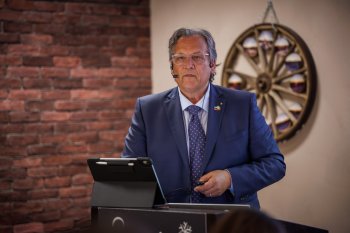
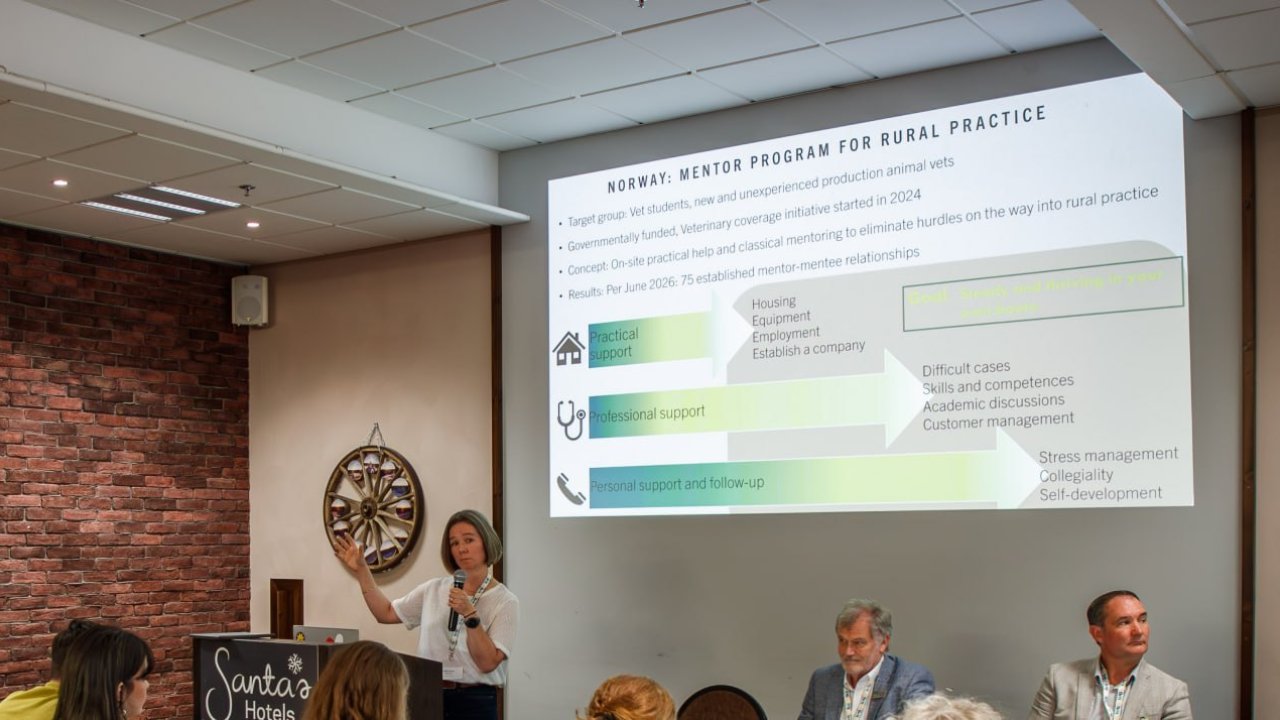
The section representing practicing veterinarians—which directly advocates for the interests of clinics—has articulated a firm and uncompromising stance regarding the protection of independent veterinary businesses in Europe.
Key points and digital transformation:
- Legal precedent in France: The European Commission has referred a case against France to the Court of Justice of the EU concerning national regulations on veterinary practice ownership and cross-border services. The UEVP has taken a clear position: veterinary medicine is not an ordinary commercial service or a retail activity. It is a sector of paramount public interest that safeguards public health, animal welfare, and epizootic surveillance. Therefore, the European community insists on maintaining the rule that at least 50% of a veterinary business's ownership must belong exclusively to qualified veterinarians.
- Digital Future: Traditional analog practice is giving way to AI-driven diagnostics, telemedicine, and biosensors—technologies that are already emerging as alternatives to animal testing. A special task force is being established in collaboration with EVERI to coordinate the implementation of these technologies in clinics.
Swiss Initiative: Online Aptitude Test for Prospective Veterinarians
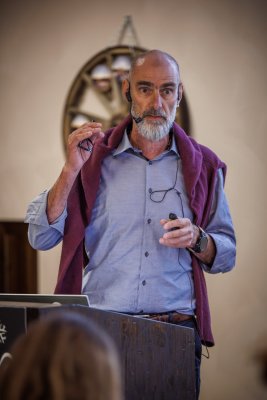
During the Q&A session, Roberto Mosi from Switzerland presented a unique tool: an online assessment designed for university applicants and high school students.
The main difference between this test and standard exams lies in its "reality check" function. Many young people want to become veterinarians simply because they "love animals and dislike interacting with people." The test features precise, 360-degree situational questions covering communication, stress, and the business environment. It generates a personalized radar chart that clearly shows the applicant that while loving the patient is important, a career in veterinary medicine requires working with—and solving problems for—people on a daily basis. If communication skills are found to be lacking, the program suggests reconsidering this career choice.
SVBO NGO: Consolidating Ukraine’s Veterinary Market
The outcomes of the FVE General Assembly clearly demonstrate that European veterinary medicine relies on robust standards, digitalization, and the active engagement of every professional. We at the NGO "Society of Veterinary Business Owners" are bringing this experience to Ukraine.
In accordance with our organization's statutes, we are establishing a unified and powerful platform to protect and develop the veterinary market:
All licensed veterinarians holding a Doctor of Veterinary Medicine degree are eligible to join the Union of Veterinary Practice Owners.
Whether you work in a large city or run a practice in a rural area, if you hold a veterinary degree and an official license, the doors of our Association are open to you. Together, we will implement AI tools, protect independent clinics from bureaucratic pressure, develop our teams' non-clinical skills, and build a transparent future for Ukrainian veterinary medicine based on European Union standards.
Join the industry leaders! Visit our official website at uacbbc.org, submit your membership application, and grow your veterinary business with us.
Author: Andrii Klietsov, Chairman of the Board of the "Society of Veterinary Business Owners" (SVBO).